
Certified Rodent Removal Sarasota for Attic Rats and Wildlife During Rainy Season

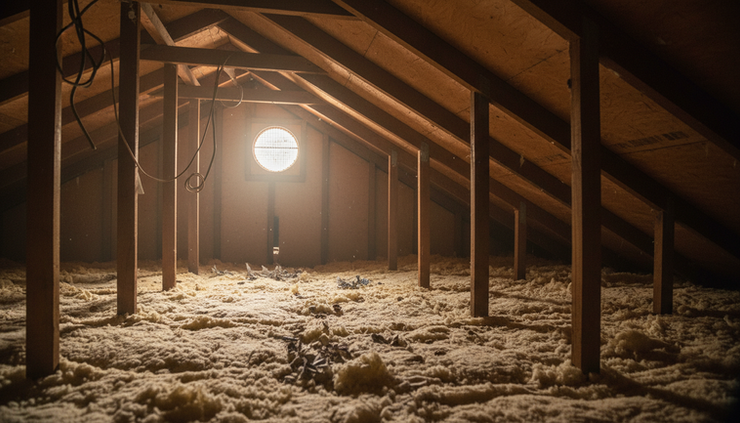
A quiet attic can turn noisy fast when Sarasota’s rainy season pushes rats, squirrels, raccoons, and other wildlife toward dry shelter. The first clues are often small: scratching above the ceiling, droppings near stored boxes, a musky odor near an access panel, or a stain that was not there last month.
In Sarasota County, summer rain changes wildlife behavior. Rooflines, soffits, vents, and construction gaps become entry points. Once an animal finds a dry attic, it may nest, chew, contaminate insulation, and return night after night.
Miller's Rodent & Wildlife Solutions helps homeowners in Sarasota, Bradenton, Venice, Lakewood Ranch, and nearby communities deal with attic wildlife safely and thoroughly. The goal is not just removal. It is finding how animals got in, sealing access points, and helping prevent the next intrusion.
Why Sarasota rainy season brings more attic wildlife
Florida’s rainy season creates the exact conditions that drive animals indoors. Heavy afternoon storms flood burrows, soak tree cavities, and reduce dry nesting areas. At the same time, warm weather keeps rats, squirrels, raccoons, and other animals active.
Attics are attractive because they offer three things wildlife looks for:
Dry shelter
Warm, protected nesting space
Easy access to food and water nearby
Neighborhoods around Sarasota also provide many travel routes. Roof-touching palms, oak branches, fences, utility lines, and screened lanais can all help animals move close to a home. Once they reach the roof, a loose soffit panel or unsealed vent can be enough.
This is why online searches for rats invading homes Florida summer often increase when storms become frequent. The problem is not always a sudden infestation. In many cases, animals were already near the property, and the weather pushed them into the structure.
The attic animals Sarasota homeowners should watch for
Not every noise above the ceiling is a rat. Different animals leave different clues, and the right removal plan depends on knowing what is inside.
Roof rats
Roof rats are common in many Florida communities. They climb well, move along trees and rooflines, and often enter through gaps near soffits, vents, fascia boards, or roof returns.
Typical signs include:
Light scratching or scurrying at night
Small, dark droppings near attic paths
Chewed wires, wood, or plastic
Greasy rub marks near entry holes
Nesting material made from insulation or paper
Roof rats can reproduce quickly, so a small attic problem can grow if entry points stay open.
Squirrels
Squirrels are active during the day, so noises in the morning or afternoon may point to squirrel activity. They can chew through weak trim, vents, or roof edges to reach attic space.
Common squirrel signs include louder chewing, daytime scampering, and nesting near soffits or roof corners.
Raccoons
Raccoons are not rodents, but they are a serious attic wildlife issue in Sarasota County. They are strong, persistent, and capable of damaging vents, soffits, roof edges, and screens.
A raccoon in an attic may sound heavy compared to rats or squirrels. Thumping, dragging, or slow movement at night can be a warning sign. Raccoons also create larger entry damage and can contaminate insulation.
Mice and other small rodents
Mice can fit through very small openings. They often enter through construction gaps, garage areas, utility penetrations, or openings around pipes. Their droppings are smaller than rat droppings, but they can still contaminate stored items and attic insulation.
Signs that rats or wildlife are already in the attic
The earlier an attic issue is found, the easier it is to stop damage. Many homeowners first suspect a problem after hearing movement, but sound is only one clue.
Sign | What it may mean |
Scratching at night | Rats, mice, or raccoons may be active |
Daytime scampering | Squirrels may be nesting or traveling |
Droppings in attic or garage | Rodents are feeding, nesting, or passing through |
Chewed wires or insulation | Rats or squirrels may be gnawing to control tooth growth |
Damaged soffits or vents | Wildlife may have forced entry |
Strong odor | Droppings, urine, nesting, or a dead animal may be present |
Stains on ceiling or walls | Contamination or moisture may be spreading |

A common mistake is assuming the animal has left because the attic is quiet for a night or two. Wildlife may return after feeding outside, or it may move to a different part of the attic. During stormy weeks, activity can also shift with the weather.
If someone searches rodent removal company near me Sarasota, it is usually because the signs have become hard to ignore. At that point, the best next step is a full inspection instead of guessing where the animals entered.
Why DIY attic rodent removal often fails
Traps from a hardware store may catch one animal, but they rarely solve the full problem. Attic rodent and wildlife issues are structure problems as much as pest problems. If the opening remains, more animals can enter.
DIY attempts often miss key parts of the job:
Finding all entry points, not just the obvious one
Identifying whether the animal is a rat, squirrel, raccoon, or mouse
Checking for nests and possible young animals
Avoiding unsafe contact with urine, droppings, or contaminated insulation
Sealing openings with materials that wildlife cannot easily chew through
Deodorizing and cleaning affected attic areas when needed
Poison is another concern. Rodenticides can lead to animals dying inside walls, soffits, or attic voids. That can cause odor, flies, and cleanup problems. It may also create risks for pets and non-target wildlife if used incorrectly.
A good removal plan focuses on inspection, responsible control methods, exclusion, and cleanup when needed.
What certified rodent removal in Sarasota should include
Certified rodent removal Sarasota services should be more than setting traps and leaving. A thorough company looks at the whole home, from the roofline to the foundation.
Miller's Rodent & Wildlife Solutions uses a practical process built around local wildlife behavior and Florida home construction.
A detailed exterior inspection
The inspection should include roof edges, soffits, vents, fascia, gable areas, garage seals, pipe penetrations, AC line openings, crawl spaces where present, and any place animals can squeeze, chew, or push through.
In Sarasota, common trouble spots include:
Loose or damaged soffit panels
Gaps where rooflines meet
Open gable vents
Dryer or bathroom exhaust vents without proper protection
Unsealed AC and plumbing penetrations
Tree branches touching or hanging over the roof
Screened enclosure damage near roof connections
Attic evidence review
Inside the attic, technicians look for droppings, trails, nesting material, chew marks, odor, and contaminated insulation. They may also identify runways where rats or squirrels repeatedly travel.
This step helps confirm the type of animal and the level of activity.
Safe removal and control
Removal methods vary by animal. Rat control may involve trapping and monitoring. Squirrel and raccoon situations may require special care, especially if young animals could be present.
The goal is humane, legal, and effective removal based on the species and conditions at the home.
Exclusion repairs
Exclusion is the part that keeps the problem from repeating. This means sealing holes, screening vulnerable vents, reinforcing weak areas, and closing access points with materials suited for wildlife pressure.
Foam alone is not enough for many rodent and wildlife openings. Rats and squirrels can chew through weak materials. Raccoons can pull at loose repairs. Durable exclusion work matters.
Cleanup guidance
After removal, attic cleanup may be needed if droppings, urine, nesting material, or damaged insulation are present. The level of cleanup depends on the amount of contamination and the areas affected.

Why attic wildlife should not be ignored
Rats, squirrels, raccoons, and mice do more than make noise. Once inside, they can damage the structure and create sanitation concerns.
The most common attic problems include chewed electrical wiring, damaged ductwork, compressed insulation, urine odor, droppings, and torn vapor barriers. Raccoons can cause heavier damage because of their size and strength. Squirrels and rats may focus on chewing, nesting, and traveling through the same paths repeatedly.
There is also the issue of repeat access. If one animal used an opening, others may follow. A roof rat entry gap can become a regular route. A squirrel-chewed opening can widen over time. A raccoon-damaged vent can expose more of the attic to weather and pests.
That is why “wait and see” often costs more than an early inspection.
How homeowners can reduce attic wildlife risk during rainy season
Some prevention steps are simple and can make a real difference. The goal is to make the home less inviting and less accessible before storms push animals toward shelter.
Trim roof access routes
Branches that touch or overhang the roof act like bridges. Trim trees and palms away from the roofline when possible. Keep shrubs from pressing against vents, siding, or exterior openings.
Check vents and soffits after storms
Wind and rain can loosen screens, soffit panels, and roofline materials. Walk the property after heavy weather and look for gaps, lifted edges, or fresh damage.
Do not climb onto the roof unless it is safe and appropriate. Many entry points can be spotted from the ground with good lighting.
Secure food sources
Rodents and wildlife stay near reliable food. Keep pet food indoors, close trash lids tightly, clean around outdoor cooking areas, and collect fallen fruit when possible.
Bird feeders can also attract rodents if seed collects on the ground.
Seal small gaps before they become large ones
A small construction gap may not look urgent, but rats and mice need very little space. Squirrels can chew weak edges wider. Raccoons can pull at loose materials.
Professional exclusion is best for active infestations, but homeowners can still watch for early warning signs.
Pay attention to seasonal noise
If scratching begins during a rainy stretch, do not dismiss it as wind or settling. Many calls about rats in home during rainy season Florida start with a few nights of faint attic noise before the signs become obvious.
Why local experience matters in Sarasota County
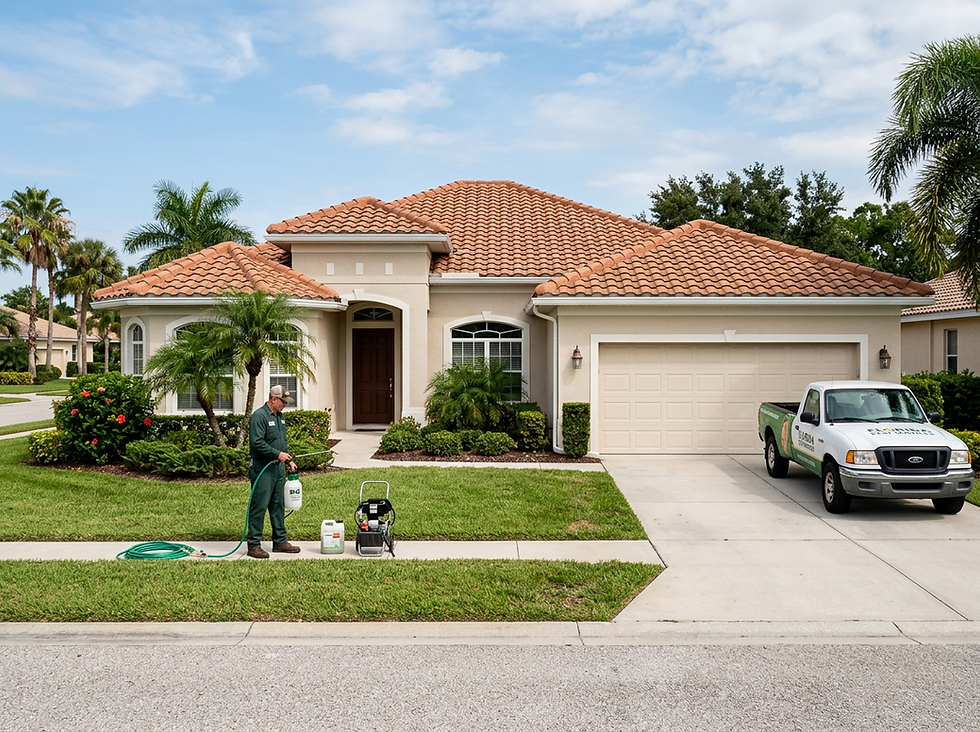
Wildlife removal is local work. The animals, home styles, weather, and landscaping all matter. Sarasota homes often have features that need careful inspection, including tile roofs, screened lanais, attic vents, soffit systems, and dense tropical landscaping.
A company familiar with Sarasota, Bradenton, Venice, and Lakewood Ranch understands how rainy season affects wildlife movement across different neighborhoods. Homes near preserves, ponds, golf courses, canals, and wooded lots may see more wildlife pressure. Homes in dense neighborhoods may still have roof rats, mice, and squirrels moving along fences and utility lines.
Miller's Rodent & Wildlife Solutions brings that local focus to attic rodent and wildlife problems. That matters because successful removal depends on more than catching what is inside. It depends on reading the structure, finding the route, and closing it correctly.

What to do when noises start above the ceiling
When attic noises, droppings, or odors appear, avoid disturbing the area more than necessary. Do not handle droppings or nesting material without proper protection. Do not block a hole unless the animal situation has been assessed, since sealing an active entry can trap wildlife inside.
A safer first response is simple:
Note when the noise happens.
Look for visible exterior damage from the ground.
Keep pets away from attic access areas.
Avoid setting poison in the attic.
Arrange a professional inspection.
Rainy season attic wildlife problems rarely fix themselves. Once animals find shelter, they tend to return unless the access point is removed from the equation.
The right fix protects the whole home
Attic rats and wildlife during Sarasota County rainy season are not just a nuisance. They are a sign that the home has an access point and an animal has found it. Fast removal helps, but the lasting fix is a complete plan: inspection, identification, removal, exclusion, and cleanup guidance.
For homeowners in Sarasota, Bradenton, Venice, Lakewood Ranch, and surrounding areas, Miller's Rodent & Wildlife Solutions provides local help for rats, squirrels, raccoons, mice, and other attic wildlife issues. When the ceiling starts scratching after the rain, the best move is to find the entry, remove the animal safely, and close the door for good.


Comments