
How to Rodent Proof Your Home in Florida: Sarasota Homeowner Guide

Meta description: Learn how to rodent proof your Florida home with practical tips for sealing common entry points, reducing attractants, and knowing when to call a Sarasota exclusion professional.
A rat does not need an open door to get into a Florida home. A gap around a plumbing line, a lifted roof return, a torn vent screen, or a small opening under a garage door can be enough. In Sarasota, warm weather, heavy vegetation, and seasonal rain give rodents plenty of reasons to look for dry, safe shelter near people.
Rodent-proofing works best when you think like a rodent. Rats and mice are looking for three things: entry, food, and shelter. If your home offers all three, trapping alone will not solve the problem for long. The goal is to seal the structure, reduce attractants, and stop the next rodent before it gets inside.
This guide explains how to rodent proof your home Florida homeowners style, with special attention to Sarasota, North Port, and nearby Gulf Coast neighborhoods.

Why Florida homes are vulnerable to rodents
Florida does not have the long, hard freezes that reduce rodent activity in colder states. Rats and mice can stay active most of the year. In Sarasota County, the climate gives them steady access to food, water, and nesting spaces.
The Sarasota rainy season can also increase rodent pressure around homes. When low areas flood, yards stay wet, or outdoor nesting spots become less stable, rodents often move toward higher, drier places. Attics, wall voids, garages, soffits, and sheds can become attractive shelter.
Florida construction styles can also create opportunities. Many homes have:
Tile or shingle roof systems with small edge gaps
Soffit and fascia areas that shift or deteriorate over time
Exterior AC lines, plumbing penetrations, and utility openings
Vents that are screened for airflow but not always for rodents
Garage doors that leave small gaps at the corners
Landscaping that touches the roof or exterior walls
None of this means a Florida home is poorly built. It means the home needs regular inspection and maintenance because rodents are persistent, flexible, and good climbers.
Know what you are trying to keep out
Sarasota homeowners most often deal with roof rats, Norway rats, and house mice. Each behaves a little differently, but the prevention approach is similar.
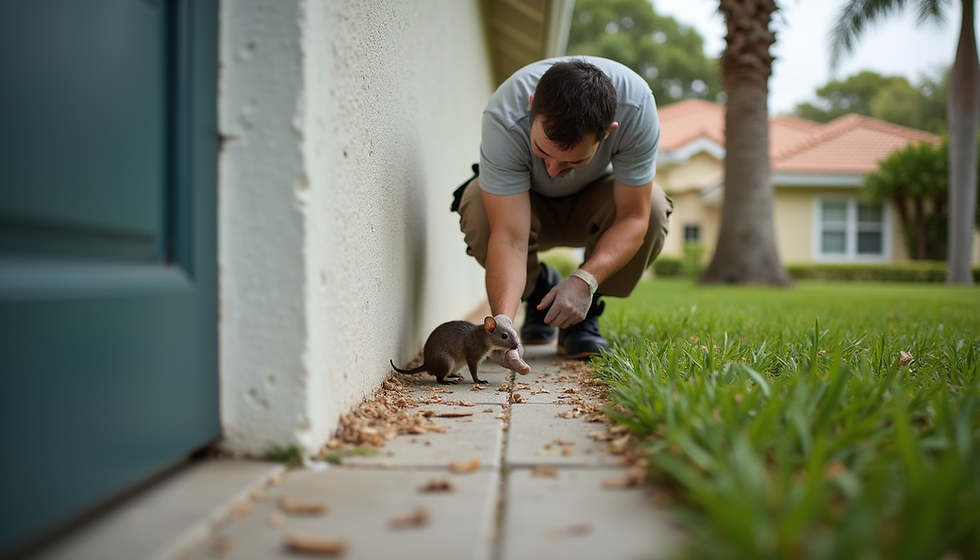
Roof rats are strong climbers. They often use palms, tree limbs, fences, downspouts, and utility lines to reach the roof. From there, they look for openings along the roofline, soffits, vents, and attic access points.
Norway rats are more ground-oriented. They may burrow near foundations, sheds, crawl spaces, wood piles, or dense landscaping.
House mice can enter through very small gaps. They are more likely to move into garages, kitchens, storage areas, and wall voids.
A useful rule is this: if you can see daylight through an exterior gap, a rodent may be able to investigate it. If the gap is near food, warmth, water, or shelter, the risk goes up.
Start with a slow exterior inspection
The best rodent prevention Sarasota County homeowners can do starts outside. Walk around the home slowly in the morning or late afternoon when shadows make gaps easier to see. Bring a flashlight, gloves, a notepad, and your phone to take photos.
Look from the ground up. Rodents do not only enter at ground level. In Florida, roofline entry is very common.
Focus on these areas:
Foundation edges
Garage door corners
Utility penetrations
AC line openings
Hose bibs and exterior plumbing
Dryer vents and exhaust vents
Soffits and fascia boards
Roof returns and valleys
Gable vents
Chimney and roof vent areas
Screened lanais and porch connections
If you see rub marks, droppings, gnaw marks, nesting material, or greasy smudges around an opening, treat it as a likely rodent travel point.
A rodent-proofing plan should seal entry points and reduce the reasons rodents approach the home in the first place.
Seal gaps around pipes, wires, and utility lines
Utility penetrations are among the most common rodent entry points. These are the spots where pipes, cables, refrigerant lines, or wires pass through an exterior wall.
Over time, sealants crack, foam breaks down, and gaps open around these lines. Rats and mice can chew weak materials to make the opening larger.
For small DIY repairs, use materials rodents cannot easily chew through. Depending on the location, that may include:
Copper mesh
Stainless steel mesh
Hardware cloth
Exterior-grade sealant
Mortar or concrete patch
Metal flashing
Escutcheon plates around pipe openings
Avoid relying on standard spray foam by itself. Foam may fill a visual gap, but rodents can chew through it. If foam is used, it should usually be paired with a rodent-resistant barrier.
Be careful around electrical, AC, and plumbing components. If you are unsure what a line does, do not cut, bend, or tightly pack material around it. A professional exclusion technician can seal the area without damaging the system.

Check the roof line, soffits, and fascia
If you hear scratching above the ceiling, especially at night, the roofline deserves attention. Roof rats are agile and can climb rough walls, downspouts, vines, fences, trees, and screen enclosures.
Common roofline entry points include:
Gaps where roof sections meet
Openings at roof returns
Damaged soffit panels
Loose fascia boards
Gaps under roof tiles
Openings near attic vents
Spaces around chimney or roof penetrations
Some roof gaps are hard to see from the ground. Others look harmless until you inspect them closely. A small construction gap may not seem like much, but a rat can squeeze through a surprisingly tight opening and enlarge weak materials with chewing.
Homeowners can safely inspect from the ground with binoculars or photos. Avoid climbing on tile roofs or steep roof sections. Florida roofs can be slippery, and cracked tiles can create more openings. For roofline sealing, professional rodent exclusion North Port and Sarasota FL service is often the safer and more durable choice.
Protect vents without blocking airflow
Vents create a challenge. They need to move air, but they also need to keep animals out. Dryer vents, bathroom exhaust vents, gable vents, soffit vents, roof vents, and crawl space vents can all become access points if screens are missing, damaged, or made from weak material.
Look for:
Torn vent screens
Bent louvers
Plastic vent covers with chew marks
Gaps around vent frames
Loose fasteners
Rusted or deteriorated mesh
Do not block a vent with solid material. That can create moisture problems, increase heat buildup, or interfere with appliance function. The right repair protects the opening while allowing proper airflow.
For dryer vents, make sure the cover opens and closes correctly and does not trap lint. For attic and soffit vents, use materials designed for exterior exposure and pest resistance.
Fix garage door gaps
Garages are a common weak spot because they often store pet food, birdseed, grass seed, cardboard boxes, tools, and holiday decorations. They also tend to have small gaps at the bottom corners of the door.
Check the garage at night from inside with the lights off. If you see daylight around the garage door during the day, rodents may find it too.
Pay attention to:
Worn bottom seals
Gaps at the bottom corners
Loose weatherstripping
Damaged side seals
Openings around the door frame
Gaps where the garage meets the driveway
Replace worn seals with durable products that fit the door properly. Corner gaps may need special attention because standard bottom seals do not always close them fully. If your garage door does not sit squarely, have the door adjusted rather than trying to patch around a moving problem.
To keep rats out of house Florida homeowners should also treat the garage as part of the home envelope, not as an outdoor storage zone. Store food-based items in sealed containers, keep the floor clear, and avoid stacking cardboard against the walls.

Reduce outdoor attractants around the home
Sealing is only part of rodent control Sarasota homeowners need. If the yard keeps attracting rodents, they will continue testing the home for weak spots.
Start with food sources.
Keep pet food indoors or in sealed containers. Pick up fallen fruit. Secure trash lids. Clean around grills and outdoor kitchens. If you feed birds, understand that spilled seed can attract rodents, especially near fences, shrubs, and patios.
Next, reduce shelter.
Trim tree limbs back from the roof. Keep palms maintained. Remove vines from walls and fences. Thin dense shrubs near the foundation. Store firewood off the ground and away from the house. Avoid leaving piles of lumber, cardboard, or yard debris close to exterior walls.
Water matters too. Fix leaky hose bibs, irrigation overspray, and areas where water collects near the home. Rodents do not need much water, but easy access makes your property more hospitable.
Good yard maintenance does not guarantee a rodent-free home. It does make your property less inviting and your exclusion work more effective.
Know what you can do yourself
Some rodent prevention tasks are good DIY projects, especially if you catch problems early.
A homeowner can often handle:
Replacing worn door sweeps
Installing sealed storage containers
Trimming shrubs away from walls
Moving firewood or debris away from the home
Cleaning up fallen fruit or birdseed
Checking vents for visible damage
Sealing small, simple exterior gaps with the right materials
Reducing clutter in garages and storage areas
Small repairs should be neat, durable, and weather-resistant. Florida heat, humidity, salt air near the coast, and heavy rain can break down cheap materials quickly. If a repair cracks or pulls away after a few months, rodents may be back at the same spot.
DIY also works best when there is no active infestation inside. If you are only trying to prevent future activity, routine maintenance can go a long way.
Know when to call a professional
Professional exclusion is the right choice when the problem involves height, active rodent activity, multiple entry points, or hidden access routes.
Call a professional if you notice:
Scratching, chewing, or movement sounds in the attic or walls
Droppings in the garage, kitchen, attic, or pantry
Gnaw marks on wood, wires, boxes, or food packaging
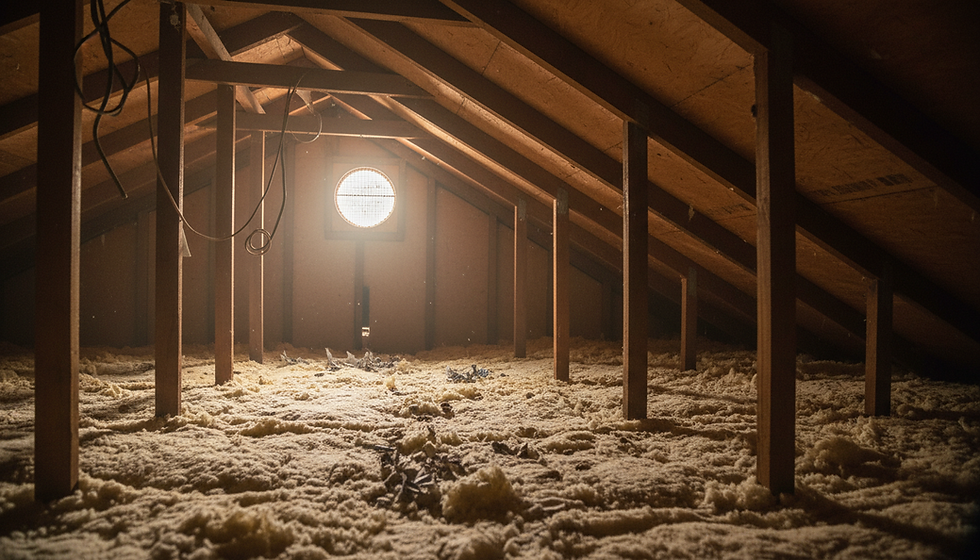
Insulation disturbance in the attic
Strong odors from hidden nesting or deceased rodents
Repeated activity after DIY sealing
Roofline gaps, soffit damage, or high vent openings
Openings you cannot safely reach or identify
A professional inspection does more than find the obvious hole. A trained exclusion specialist looks at how rodents move around the structure. That includes roof access routes, construction gaps, vent weaknesses, garage seals, landscaping contact, and signs of active travel.
Miller's Rodent & Wildlife Solutions helps Sarasota homeowners find and close the small access points that are easy to miss. That local experience matters because Florida homes face a mix of warm-weather rodent pressure, storm-season moisture, roofline vulnerabilities, and year-round nesting opportunities.
Use trapping the right way
Traps can help reduce active rodent activity, but they are not a complete rodent-proofing plan. If entry points remain open, new rodents can replace the ones removed.
The right sequence is usually:
Inspect the structure and identify activity.
Seal entry points with rodent-resistant materials.
Use trapping to remove rodents already inside.
Clean affected areas when activity has stopped.
Monitor the home for new signs.
Be cautious with rodenticides around homes, pets, and wildlife. Poisoned rodents can die in wall voids or attics, causing odor problems. Bait can also pose risks if used carelessly. In many residential situations, exclusion and targeted trapping are cleaner and more controlled than relying on poison.
If you suspect rodents are inside, avoid sealing every opening without a plan. You do not want to trap animals inside living spaces or force them into new areas of the home. A professional can identify active entries and use the correct process.

Build a simple seasonal checklist
Rodent proofing should not be a one-time project. Florida weather is tough on exterior seals. Wind, rain, sun, humidity, and normal home movement can create new openings over time.
Use this checklist at least twice a year, especially before and after the rainy season.
Area to check | What to look for | What to do |
Roofline | Loose soffits, fascia gaps, roof return openings | Schedule repair or exclusion sealing |
Vents | Torn screens, loose covers, chew marks | Replace with pest-resistant materials |
Garage door | Daylight under corners, worn seals | Replace seals and adjust door fit |
Utility lines | Cracked sealant, open wall penetrations | Seal with mesh and exterior-grade materials |
Yard | Dense shrubs, roof-touching branches, debris piles | Trim, clear, and move storage away |
Food sources | Pet food, fallen fruit, trash, birdseed | Store in sealed containers and clean spills |
This routine helps you catch small problems before they turn into attic activity, contaminated insulation, or repeated trapping.
What a professional exclusion service should include
A good exclusion service should be thorough, not rushed. It should focus on long-term prevention instead of only removing the rodents you see or hear.
Expect a professional to:
Inspect the exterior from foundation to roofline
Identify likely and confirmed entry points
Look for rodent travel signs and nesting areas
Recommend repairs based on the home’s construction
Seal openings with durable, rodent-resistant materials
Address roofline, vent, garage, and utility gaps
Use trapping or removal methods when needed
Explain how to reduce attractants around the property
Miller's Rodent & Wildlife Solutions brings this kind of practical exclusion approach to Sarasota homes. The goal is not just to react to a noise in the attic. The goal is to protect the home so rodents have fewer chances to get inside again.
The best rodent-proofing plan is layered
No single repair keeps every rodent away forever. Florida homes need a layered plan.
Seal structural openings. Maintain the roofline. Protect vents. Tighten the garage. Reduce food, water, and shelter around the property. Inspect seasonally. When signs of activity appear, act quickly.
The sooner you address entry points, the less time rodents have to nest, chew, contaminate, and spread through hidden spaces. If you are dealing with attic noises, droppings, damaged vents, or recurring rodent problems, it is time for a professional exclusion inspection.
For dependable rodent exclusion and rodent control in Sarasota, contact Miller's Rodent & Wildlife Solutions. Their team can inspect your home, identify vulnerable entry points, and build a practical exclusion plan designed for Florida homes and Sarasota’s climate.

Comments