
How to Rodent Proof Your Home in Florida and Keep Rats Out

Meta description: Learn how to rodent proof your home in Florida with practical tips for sealing vents, roof lines, pipe gaps, and garage doors. Get expert rodent exclusion help in Wellen Park, Venice, and Sarasota County.
A Florida home can look sealed from the curb and still have a dozen rodent entry points hiding in plain sight. Rats and mice do not need a wide opening. A gap around a pipe, a lifted roof edge, or daylight under a garage door can be enough.
If you are searching for how to rodent proof your home Florida, the best approach is a mix of inspection, sealing, cleanup, and professional exclusion where needed. This guide explains where rodents get in, why Sarasota County homes are vulnerable, what you can handle yourself, and when to call Miller’s Rodent & Wildlife Solutions in Wellen Park, FL.

Why Florida homes are so vulnerable to rodents
Florida’s warm climate gives rodents a longer active season than many other parts of the country. Instead of waiting out a harsh winter, rats and mice can keep breeding, feeding, and nesting through much of the year.
Sarasota County’s rainy season adds another pressure. Heavy rain can push rodents out of saturated ground cover, drainage areas, palm debris, and overgrown landscaping. Once they move closer to a structure, they look for shelter that stays dry, warm, and close to food.
Florida construction can also create easy access points. Many homes have:
Stucco exteriors with small utility gaps
Tile roofs with openings near roof edges
Soffit and fascia transitions
Attic vents and gable vents
Attached garages
Outdoor kitchens, lanais, and screened enclosures
Dense landscaping close to walls
None of these features are bad on their own. The issue is that rodents are excellent climbers and persistent chewers. A roof rat can travel along a fence, climb a palm, cross a roofline, and enter through a gap most homeowners would never notice.
This is why basic traps rarely solve the full problem. Traps may catch rodents already inside, but exclusion keeps new ones from replacing them.
The most common rodent entry points around Florida homes
A good inspection starts low, moves around the structure, then goes up to the roof. Look for gaps, chew marks, dark rub marks, droppings, nesting material, and spots where different building materials meet.
Gaps around pipes and utility lines
Plumbing, air conditioning lines, cable lines, irrigation controls, and electrical penetrations all create possible entry points. Builders often seal these areas when a home is new, but sealants can crack, shrink, or pull away over time.
Check around:
AC refrigerant lines
Water heater drain lines
Hose bibs
Electrical conduit
Cable and internet lines
Irrigation control wiring
A small crescent-shaped gap around a pipe can be enough for a mouse. A larger opening can invite rats, especially if it leads into a wall void, garage, or attic chase.
For DIY sealing, use materials rodents cannot easily chew through. Expanding foam by itself is not enough. It can help fill space, but rodents can gnaw through it. Better options often include metal mesh, hardware cloth, copper mesh, and exterior-grade sealant used together.
Roof lines, soffits, and fascia gaps
Roof rats are common in Florida, and they are well suited for attic entry. They often enter where the roof meets the fascia, where soffits are damaged, or where tile roof edges leave protected gaps.
Look for:
Lifted or damaged soffit panels
Open fascia returns
Gaps at roof-to-wall intersections
Loose drip edge areas
Openings near chimney chases
Tile roof voids at corners and valleys
These areas often require ladder work and careful sealing. They also require the right material choice so ventilation and drainage are not blocked. For many homeowners, roofline sealing is where DIY ends and professional rodent exclusion begins.

Vents and screens
Vents are necessary because homes need airflow. The goal is not to block ventilation. The goal is to protect openings with rodent-resistant materials.
Common problem areas include:
Dryer vents with broken flaps
Gable vents
Attic vents
Crawl or foundation vents, where present
Roof vents
Bathroom exhaust vents
Plastic vent covers can crack in Florida sun. Metal screens can loosen after storms. Dryer vent flaps can stick open because of lint buildup.
A good rodent prevention Venice plan should include checking vents at least a few times each year, especially after storms or roof work.
Garage doors and side doors
Attached garages are one of the easiest ways rodents enter Florida homes. They offer shelter, food odors, stored items, and often a direct path into living space or attic areas.
Inspect the garage door from inside during daylight. If you see light at the bottom corners or along the sides, rodents may be able to enter.
Pay attention to:
Worn bottom seals
Bent garage door tracks
Gaps at bottom corners
Loose weatherstripping
Pet food storage
Birdseed, grass seed, or fertilizer bags
Cardboard boxes used for long-term storage
To help keep rats out of house Florida, store food attractants in sealed containers and replace damaged garage seals quickly.
What homeowners can do themselves
Some rodent-proofing steps are safe, practical, and worth doing before there is a major issue. The goal is to make the home less inviting and reduce easy access.
Trim landscaping away from the house
Rodents use landscaping as cover. Roof rats also use branches, vines, and palms as bridges.
Keep shrubs trimmed away from exterior walls when possible. Cut back branches that touch the roof or hang close to it. Remove palm fronds, fruit, and yard debris that collect near the house.
This matters even more during the Sarasota County rainy season, when fast-growing vegetation can quickly create hidden travel paths.
Remove food and water sources
Rodents do not move in by accident. They look for food, shelter, and water. Reducing attractants makes exclusion work better.
Focus on:
Bringing pet food indoors at night
Cleaning grills and outdoor kitchens
Securing trash can lids
Picking up fallen fruit
Storing birdseed in sealed bins
Fixing leaky hose bibs or irrigation puddles
Keeping pantry goods in hard-sided containers
Outdoor food sources can pull rodents toward the home. Once they are close, they begin exploring for gaps.
Seal simple openings at ground level
Homeowners can often seal small, accessible gaps around utility penetrations, door trim, and foundation transitions. Use durable materials and avoid quick fixes that fail after one season of heat and rain.
A basic DIY sealing kit may include:
Copper mesh or stainless steel mesh
Hardware cloth
Exterior-grade sealant
Tin snips
Work gloves
Flashlight
Mirror for viewing tight spaces
Do not seal a suspected active entry point without understanding whether animals are inside. Closing rodents into an attic or wall can create odor, damage, and a more complicated problem.
Keep the garage clean and organized
Garages often become rodent habitat because they provide hiding places. Cardboard boxes, beach gear, holiday decorations, and stored fabrics can become nesting sites.
Use plastic bins with tight lids when possible. Keep items off the floor and away from walls so inspection is easier. Sweep regularly and look for droppings near corners, shelves, and the water heater.
The phrase rodents nesting in fall Florida may sound seasonal, but in this climate, nesting pressure can happen whenever rodents find safe shelter and reliable food.

What requires professional rodent exclusion
DIY work helps, but some situations call for trained help. Professional exclusion is not just filling holes. It includes finding all access points, identifying activity patterns, choosing the right materials, and making sure rodents are not trapped inside.
Roof activity or attic noises
If scratching, scurrying, or chewing sounds come from the attic, schedule an inspection. Roofline entry points are hard to see from the ground and can be unsafe to access without proper equipment.
A professional can inspect soffits, fascia, vents, roof returns, and attic spaces. They can also identify whether the issue is rats, mice, squirrels, raccoons, or another animal. That matters because the exclusion plan may differ.
For homeowners searching for wildlife removal Venice FL, proper identification is the first step. Not every noise in an attic is caused by the same animal.
Repeated trapping without lasting results
If traps catch rodents but activity continues, the entry point is still open. This is one of the clearest signs that exclusion is needed.
Rodent control Venice services should address both the current activity and the access points allowing the problem to continue. Without sealing, trapping alone becomes a cycle.
Large gaps, damaged building materials, or hard-to-reach areas
Some openings need repair, not just sealing. Damaged soffit, rotted fascia, warped garage trim, and broken vents may need exclusion materials fitted carefully to the structure.
Professional-grade exclusion often involves:
Sealing roofline gaps with chew-resistant materials
Reinforcing vents without blocking airflow
Closing utility penetrations
Installing or repairing door sweeps
Identifying hidden attic or wall access routes
Advising on sanitation and attractant reduction
This is where rodent exclusion Wellen Park FL expertise can save time and prevent missed openings.
Signs of contamination in the attic
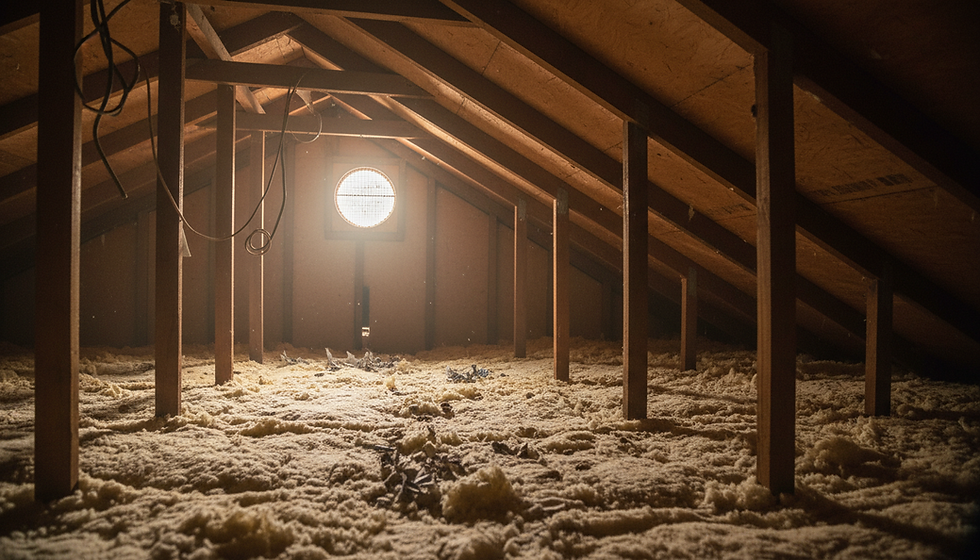
Rodents in attics can leave droppings, urine, nesting material, and chewed insulation. They may also damage ductwork or wiring. If there is visible contamination, avoid stirring up dust or handling materials without proper protection.
A professional can explain the next steps after exclusion, including cleanup recommendations when needed.
A simple Florida rodent-proofing checklist
Use this checklist as a starting point for a weekend inspection.
Walk the exterior
Look for gaps around pipes, cables, and AC lines
Check for loose trim, missing sealant, and cracked stucco areas
Inspect the base of doors and garage corners
Look for droppings near walls, fences, and storage areas
Check the roofline from the ground
Scan soffits and fascia for gaps or staining
Look for branches touching the roof
Note damaged vents or lifted materials
Do not climb onto the roof unless you can do so safely
Inspect vents and openings
Make sure dryer vent flaps close
Look for broken screens
Check attic and gable vents
Confirm exhaust vents are intact
Reduce attractants
Secure trash
Bring in pet food
Store birdseed and pantry overflow in sealed containers
Pick up fallen fruit
Trim overgrowth near the house
Watch for warning signs
Scratching at night
Droppings in the garage or attic
Gnaw marks
Greasy rub marks
Unusual pet behavior near walls or cabinets
Musty odors in enclosed spaces
If two or more warning signs show up, it is time to look beyond surface-level fixes.

Why Miller’s Rodent & Wildlife Solutions is the local resource
Rodent proofing in Florida is different from rodent proofing in colder states. Warm weather, roof rats, heavy rains, tile roofs, lanais, and fast-growing landscaping all affect how rodents move and where they enter.
Miller’s Rodent & Wildlife Solutions serves homeowners in Wellen Park, Venice, and the Sarasota area with a focus on practical exclusion, not guesswork. A thorough inspection can help identify the entry points that most homeowners miss, especially around roof lines, vents, garages, and utility penetrations.
The best time to act is before rodents settle in. The next best time is when the first signs appear. Small gaps rarely stay small problems for long in Florida’s climate.
For professional help sealing your home the right way, contact Miller’s Rodent & Wildlife Solutions for rodent exclusion service in Wellen Park, Venice, and Sarasota County. A well-sealed home is the most reliable way to keep rats and mice out for good.


Comments