
Animal Trapping Sarasota County FL for Raccoons in Your Attic

Hearing heavy footsteps over your ceiling at night is unsettling, especially when you realize you may need animal trapping Sarasota County FL help for a raccoon in your attic. For a Wellen Park homeowner, the signs often start small: scratching near the soffit, thumping after sunset, a torn roof vent, or insulation pushed out near an attic access panel.
Raccoons are smart, strong, and persistent. In Sarasota County’s warm climate, they do not need to wait for harsh winter weather to look for shelter. Attics provide exactly what they want: darkness, warmth, height, and protection from rain, predators, and people.

For homeowners in Sarasota, Bradenton, Venice, Lakewood Ranch, and nearby communities, raccoon activity is more than a nuisance. It can damage your home, create sanitation hazards, and raise legal questions if trapping is handled the wrong way. Miller’s Rodent & Wildlife Solutions helps local homeowners identify the entry point, remove the animal safely, and protect the home from another visit.
Why animal trapping Sarasota County FL is common in Wellen Park attics
Wellen Park and the greater Sarasota area sit in prime raccoon habitat. Neighborhoods often border ponds, preserves, golf course edges, drainage areas, and wooded lots. Those features are beautiful, but they also support raccoons, opossums, armadillos, rats, snakes, and other Florida wildlife.
Raccoons adapt well to residential areas because homes provide three things they need:
Food Pet food, unsecured trash cans, bird seed, fruit trees, outdoor grills, and compost can draw raccoons closer to the house.
Water Retention ponds, irrigation runoff, pool decks, and drainage swales make suburban neighborhoods attractive.
Shelter Roof returns, soffits, vents, attic louvers, and loose fascia boards can give raccoons a way inside.
A raccoon does not need a wide-open hole to start. It may find a weak spot and pull, claw, or push until the opening is large enough. Once inside, it can move through attic insulation and return repeatedly unless the entry point is repaired.
In Wellen Park homes, common raccoon entry areas include:
Loose or damaged soffit panels
Roof vents and ridge vents
Gaps where rooflines meet
Fascia boards weakened by moisture
Chimneys without proper caps
Attic fans or gable vents with damaged screens
Florida’s wind, humidity, and heavy afternoon storms can loosen building materials over time. A small construction gap or weather-damaged corner can become an open door for raccoons.
How raccoons damage attics and why waiting makes it worse
A raccoon in the attic is not just noisy. It can cause real damage quickly, especially if it is nesting.
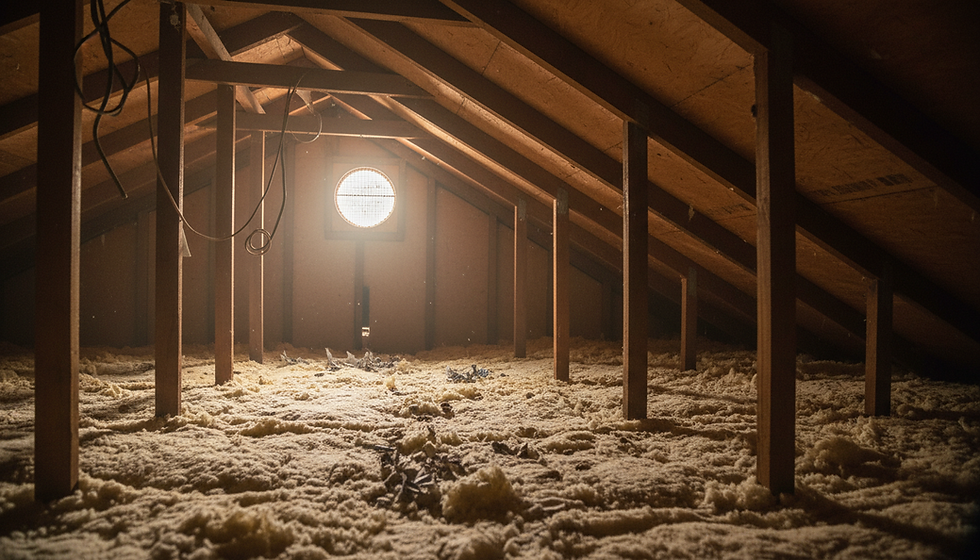
The first problem is insulation. Raccoons trample, compress, shred, and contaminate attic insulation. Once insulation is flattened or soaked with urine, it loses performance. That can make your cooling system work harder during Sarasota’s long hot season.
The second problem is wiring. Raccoons may chew or pull at wires while moving through tight spaces. Damaged wiring is not something to ignore. If you hear animals overhead and notice flickering lights, tripped breakers, or unusual electrical behavior, call an electrician and a wildlife professional.
The third problem is droppings and urine. Raccoon feces can carry parasites and bacteria, and attic contamination should be handled with proper protective equipment. Sweeping or disturbing dried droppings can create airborne particles. A professional cleanup plan may include waste removal, damaged insulation removal, sanitizing, deodorizing, and sealing the entry point.
There is also a secondary pest issue. Wildlife waste and nesting material can attract flies, roaches, mites, and other insects. If an animal dies inside a wall or attic space, odor can travel through the home quickly. That is when homeowners often search for dead animal removal Sarasota FL, especially after hearing activity that suddenly stops.

The longer a raccoon stays, the more complicated the job becomes. The safest approach is to address it early, before the animal expands the entry hole, creates a den site, or has young in the attic.
Why Florida raccoons are especially active in spring
Raccoons can be active year-round in Southwest Florida, but spring is a peak concern because it overlaps with baby season. Female raccoons look for protected den sites where they can give birth and raise their young. An attic checks every box: it is elevated, sheltered, dry, and hard for predators to reach.
This matters because removal is more delicate when baby raccoons are present. If an adult female is trapped or excluded while the young are still inside, the babies may be left behind. That can lead to distress sounds, odor, sanitation problems, and a determined mother raccoon trying to tear her way back into the home.
A trained wildlife technician looks for signs of a nest before setting a removal plan. Signs may include:
Repeated daytime trips to the same roof area
Soft chirping or crying sounds from the attic
A concentrated area of flattened insulation
Stronger odor near one section of the attic
Scratching in the same area each night
In Sarasota County, spring also brings warmer evenings and more available food. Raccoons may travel through yards after dark, climb pool cages, climb fences, and use oak limbs or palms to reach rooflines. Trimming branches away from the roof can help, but it will not solve an active attic problem by itself.
Legal requirements make professional animal trapping Sarasota County FL the safer choice
Raccoon trapping in Florida is not something to improvise. State wildlife rules affect how nuisance wildlife can be trapped, handled, transported, released, or humanely dispatched. Raccoons are also considered a rabies-vector species, so handling them carries extra concern.
This section is informational only and is not legal advice. Wildlife regulations can change, and local conditions may affect what is allowed.
In general, Florida homeowners should understand a few key points:
Traps must be used responsibly and checked as required.
Captured wildlife cannot simply be dropped off anywhere.
Relocation may require permission from the receiving property owner.
Some release locations are not allowed.
Handling raccoons without training can create bite, scratch, and disease exposure risks.
Baby season can make trapping and exclusion more complicated.
A common mistake is setting a store-bought cage trap without knowing what comes next. If the trap catches the wrong animal, sits too long, or separates a mother from her young, the homeowner can end up with a bigger problem than before.
Licensed professionals like Miller’s Rodent & Wildlife Solutions know how to evaluate the situation first. That means they look for entry points, tracks, feces, rub marks, nesting areas, roof damage, and signs of young. Then they choose a lawful and humane removal method that fits the property.
What Miller’s checks before removing a raccoon
A good raccoon removal visit is not just about setting a trap. The inspection is the most important part of the process.
Miller’s Rodent & Wildlife Solutions typically looks at the roofline, soffits, vents, attic space, exterior walls, and nearby attractants. The goal is to answer four practical questions:
How is the raccoon getting in?
The opening must be found before the home can be protected.
Is there more than one animal?
Raccoons may be alone, but a mother with young changes the plan.
What damage or contamination is present?
Insulation, ductwork, wiring, and stored items may need attention.
How can the home be sealed after removal?
Exclusion work prevents the same raccoon, or another animal, from returning.
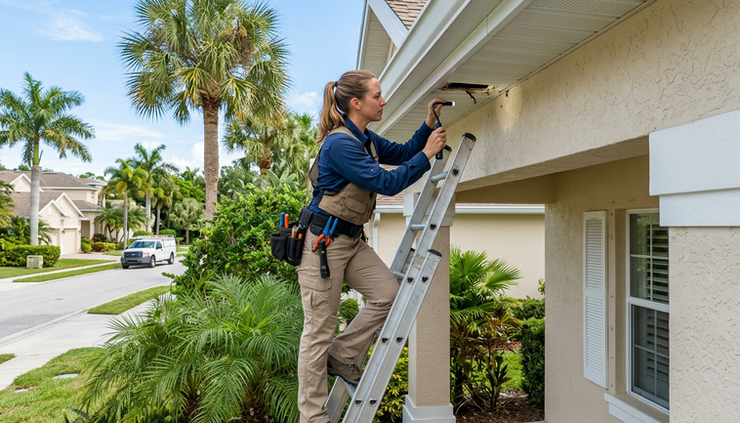
The repair phase matters. If the animal is removed but the entry point stays open, the attic remains available to raccoons, squirrels, rats, bats, or birds. This is why wildlife removal and exclusion should work together.
Homeowners in nearby areas often face similar issues. A call for rodent control Venice FL may uncover roof gaps that also allow wildlife into the attic. A request for pest animal removal North Port might involve raccoons around a lanai or garage. In coastal neighborhoods, wildlife control Osprey FL often includes roof, soffit, and crawl space inspections because animals move easily between wooded areas and homes.
What to do when you suspect a raccoon is in your attic
If the sounds overhead point to a raccoon, avoid panic and avoid direct contact. Raccoons may look calm from a distance, but they can bite or scratch if cornered. They are also strong climbers, which makes roof and attic work risky without the right equipment.
Take these steps instead:
Listen for the location and timing of the noise.
Look from the ground for lifted soffits, roof vent damage, or staining.
Keep pets indoors or away from the suspected entry area.
Secure trash cans and remove pet food from outside.
Do not seal holes while noises are still active inside.
Do not crawl through contaminated insulation without protection.
Call a licensed wildlife removal professional.
The one step to avoid is closing the entry hole too soon. If a raccoon is trapped inside, it may damage the home trying to escape. If young are inside, the mother may tear at the roofline to get back in.
How to help prevent the next raccoon problem
Once the raccoon is removed, prevention starts with making the home less inviting. Sarasota-area homes deal with heat, rain, salt air near the coast, and fast-growing vegetation, so exterior maintenance matters.
Focus on these areas:
Repair loose soffits, fascia, and roof vents.
Install proper chimney caps and vent covers where appropriate.
Trim branches back from the roofline.
Keep trash lids tight and avoid leaving bags outside overnight.
Feed pets indoors.
Pick up fallen fruit from trees.
Store bird seed and grill supplies in secure containers.
Schedule inspections after major storms or roof repairs.

Prevention is not about making your home wildlife-proof against every animal in Sarasota County. It is about closing the realistic access points and removing easy rewards.
Call Miller’s for animal trapping Sarasota County FL homeowners can trust
A raccoon in the attic needs the right response. The animal may have damaged insulation, contaminated the space, found a weak roofline, or chosen your attic as a spring den site. Because Florida has rules around trapping and handling raccoons, the safest choice is to bring in a licensed local professional.
Miller’s Rodent & Wildlife Solutions serves Sarasota, Bradenton, Venice, Wellen Park, and surrounding communities with careful inspections, humane removal planning, exclusion work, and cleanup guidance. If you hear scratching, thumping, or movement overhead, do not wait for the damage to spread.
Contact Miller’s Rodent & Wildlife Solutions today to schedule an inspection for animal trapping Sarasota County FL and get expert help removing raccoons from your attic safely.
Meta description: Raccoon in your attic? Miller's offers animal trapping Sarasota County FL homeowners can trust, with legal, humane removal and a free inspection.

Comments